The Story
We talk a lot about retention in EMS. We blame pay, schedules, burnout. And those things are real. But most people don't leave because of a bad call. They leave because of what happens after. When no one checks in. When no one teaches. When the culture quietly tells someone they're on their own.
Every crew, every station, every organization has a social architecture. Unspoken rules about who gets included, who gets taught, who gets invested in, and who gets left to figure it out alone. Most of it is invisible to the people who built it. Almost none of it is intentional. But new providers feel it immediately. They know within weeks whether they belong or whether they're just filling a seat.
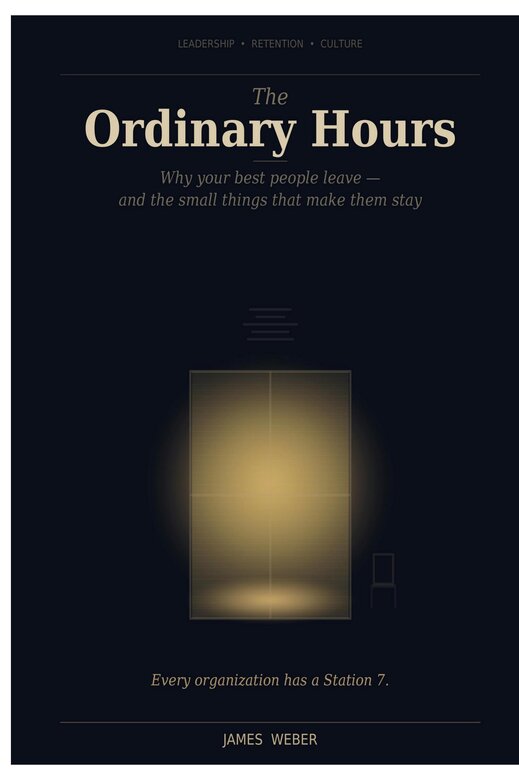
The Ordinary Hours follows a battalion chief who spent a career watching that pattern repeat, and asking what could have been done differently in the quiet hours between calls. It explores how mentorship, culture, and the social dynamics inside our organizations can either build belonging or destroy it. Often in moments no one thinks to notice.
Inside the Book
Thirteen chapters across six parts. A narrative from a battalion chief who thought he had a hiring problem — and the mentor who taught him what he actually had.
Part One
Seeing the Problem
- The Whiteboard at Three in the Morning
- The Things People Decide Quietly
- The Cost No One Writes Down
Part Two
Finding the Right People
- Who Holds People Here
- Who They're Paired With Matters
Part Three
Building the Structure
- Structure That Makes It Possible
- The First Ninety Days
Part Four
Supporting the Work
- Teaching Mentors How to Mentor
- Boundaries, Ethics, and the Space Between
Part Five
Watching and Sustaining
- The Weight You Carry on Purpose
- Reading the Room and Keeping It Alive
Part Six
The Longer View
- When It Becomes Culture
- What Transfers
The People You'll Meet
The book follows a small cast built on years of watching — composites of the crews, mentors, and new hires who taught the argument. The names are invented. The dynamics are not.
The Narrator
A battalion chief responsible for four stations and eighty-some employees. Standing in a cold apparatus bay at three in the morning, moving magnets around a whiteboard, he realizes the number he never tracked is the one that actually mattered. The book is his journey from thinking he had a hiring problem to seeing what he actually had.
Ray
Retired County EMS director. Twenty-five years in. Now sits at the counter at Martindale's diner three blocks from Station 4. Draws the connection map on a napkin. Everything this book teaches began at that counter — and every chapter returns to it.
Sam
New EMT. Three weeks in. Hovering near the supply closet, not sure where to stand. Not excluded. Not included. His story becomes the book's argument in miniature — and the reason the whole series exists.
Derek
Hired the same week as Sam. Rotated through partners. Never quite connected. The one who didn't stay. The face the narrator can't stop seeing when the number "twelve gone" appears on his spreadsheet.
Who This Book Is For
Fire officers, captains, and battalion chiefs who supervise EMS crews and want practical tools they can use on their next shift. Field Training Officers and preceptors looking for a framework beyond sink or swim. EMS educators and program directors seeking a mentorship text that bridges classroom and field. Agency leaders focused on retention and culture.
And new providers who want to understand what good leadership looks like, so they can demand better.
Companion Toolkit
Retention & Belonging Quick-Reference
Twenty questions. Ten interventions. One connection map. A printable PDF for the leader who is done blaming the hiring pipeline for a retention problem.